
The Hidden Language of Grey in Black and White Photography

 Seeing is all about light, or alternatively, its absence. Each color represents only a small portion of the visible spectrum, and although all colors combined appear white, this is merely an illusion. In reality, light functions as a pulse of energy that either rebounds from or gets absorbed by the surfaces it encounters—nothing more than pure energy in motion.
Then, remarkably, life emerges. We animals exist today only because a more potent, adaptable, and incredibly intelligent life form first made our planet habitable. This extraordinary process of photosynthesis first developed in the plant world. The process works almost like quantum physics, because plants capture most of that energy and transform it into chemical bonds that unite carbon, mineral, and hydrogen atoms. Consequently, plants convert these compounds into their own physical structures. As they do this, they release the oxygen that we breathe every second of our lives.
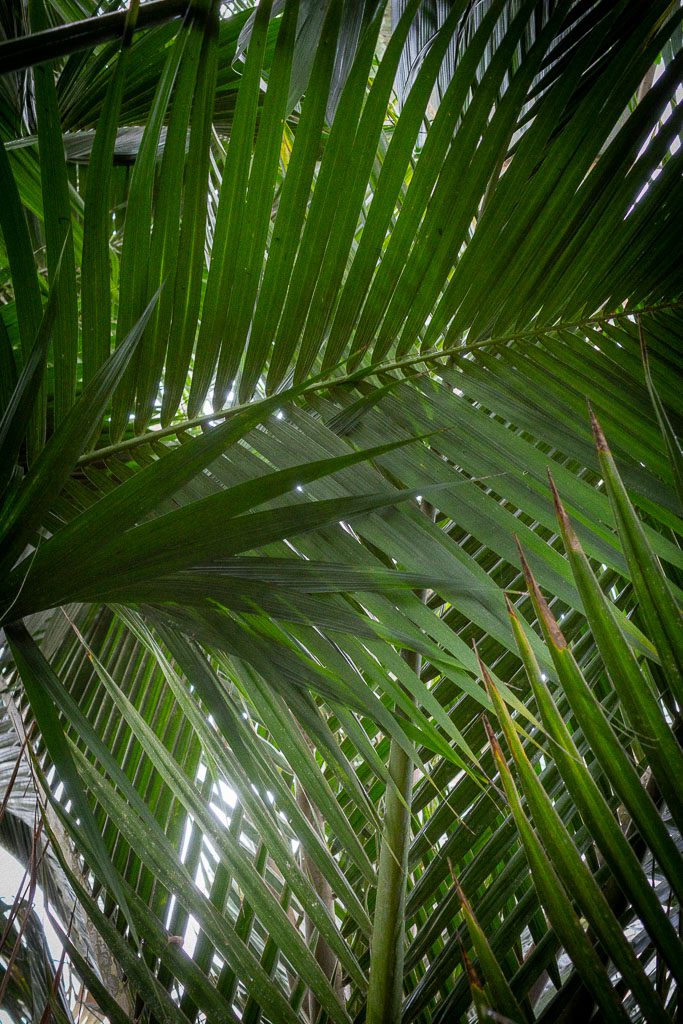
What’s particularly fascinating about this process is how plants selectively filter light. When light interacts with foliage, only a narrow bandwidth reflects back—the color we’ve come to recognize as “green.” Meanwhile, plants absorb and utilize everything else from the visible spectrum, including the higher energy wavelengths known as ultraviolet light.
Interestingly, in black and white photography, this reflected “green” transforms into a rich palette of greys. Therefore, it becomes one of the most expressive elements in monochrome imagery. While other colors appear as stark contrasts of whites and blacks, grey serves as the subtle, nuanced language of black and white photography. As a result, its expressive vocabulary stretches infinitely, creating depth where color once existed.